
Radiocommunication in Mexico: Technology, Safety, and Solutions for Every Industry
Reliable communication is essential for companies that need to coordinate work teams, respond quickly to unexpected situations, and maintain efficient operations. In Mexico, sectors such as construction, private security, transportation, manufacturing, and maritime activities depend on radiocommunication systems that facilitate the exchange of information in real time.
Communication radios provide direct communication between users and can also work in areas with weak cellular signals when supported by the right infrastructure.
Types of Communication Radios and Their Main Applications
Choosing the right equipment depends on the work environment, the distance between users, environmental conditions, and the operational needs of each organization.
1. Portable Radios for Work Teams
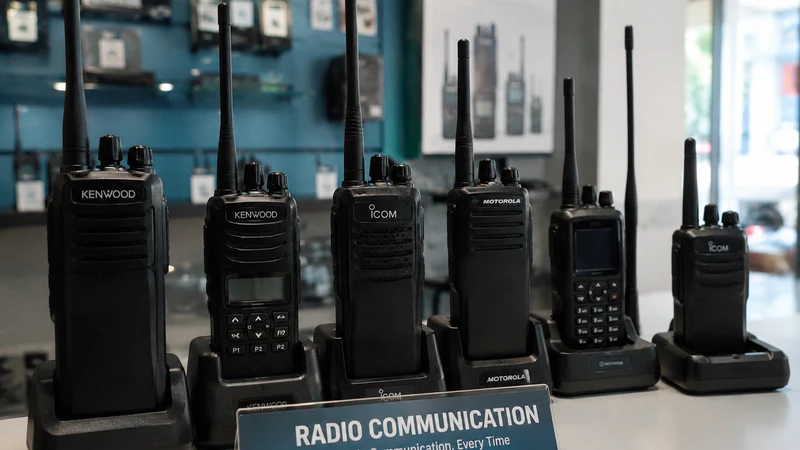
Portable radios are a practical solution for security guards, warehouse staff, event organizers, and field workers. Their compact design makes mobility easier and allows users to communicate quickly without relying on individual phone calls.
Some models include long-lasting batteries, noise reduction, multiple channels, and protection against dust or water. Brands such as Kenwood, ICOM, and Motorola offer equipment designed for different professional needs.
2. Mobile Radios for Transportation and Logistics
Mobile radios are commonly installed in service vehicles, transportation units, and commercial fleets. These systems allow drivers, operators, and control centers to stay connected throughout their everyday activities.
When selecting a mobile radio, it is worth evaluating the transmission power, compatible frequency bands, audio quality, and the possibility of integrating it with antennas and other accessories.
3. Marine and Aviation Radios
In maritime activities, marine VHF radios allow communication between vessels and coastal stations under the corresponding operating conditions. Some equipment includes features such as GPS, Digital Selective Calling (DSC), and water resistance.
Meanwhile, aeronautical radiocommunication uses specific equipment and frequencies to facilitate operational communications between pilots and authorized stations. In both cases, it is essential to use devices appropriate for the sector and comply with applicable regulations.
4. Intrinsically Safe Radios for Industrial Environments
In facilities where flammable gases, vapors, or combustible dust may be present, selecting communication equipment requires special attention. Intrinsically safe radios are designed and certified for certain potentially explosive conditions.
Before purchasing one, it is essential to verify that its certifications correspond to the classification of the work area. Not all radios that are resistant to water or impacts are suitable for hazardous environments.
Repeaters and Accessories: How to Improve a Communication System
When portable or mobile radios do not provide the required coverage, a repeater can extend the range of a compatible system. These devices receive and retransmit signals, helping cover larger areas when the installation, frequencies, and terrain conditions allow it.
Accessories also play an important role. Common accessories include antennas, extra batteries, charging units, remote microphones, headphones, and vehicle installation mounts.
To achieve good results, it is worth checking the compatibility of each accessory with the radio model and consulting the corresponding technical and regulatory requirements.
Important Factors to Review When Purchasing Communication Radios in Mexico
Before investing in a radiocommunication system, it is advisable to compare several factors:
-
Coverage: Identify the distance, obstacles, and terrain conditions where the equipment will be used.
-
Durability: Consider protection against water, dust, vibrations, and impacts according to the environment.
-
Battery Life: Check the battery life and the availability of replacements.
- Compatibility: Make sure the frequencies, communication protocols, and accessories work with your current system.
-
Budget: Compare the total cost of the equipment, installation, maintenance, and additional batteries.
- Regulatory Compliance: Check that the selected equipment and frequencies meet the requirements for their intended application in Mexico.
It is also advisable to check current promotions and technical specifications before making a purchasing decision.
Where to Find Radiocommunication Equipment
To learn about different options for professional radios, antennas, repeaters, and accessories, buyers can visit RadioRed, an online store specializing in radiocommunication that offers equipment from brands such as Kenwood, ICOM, Motorola, and others.
Its catalog includes portable, mobile, marine, and intrinsically safe solutions for different professional applications. Reviewing the features of each product helps compare alternatives and select the equipment that best suits the needs of each project.
Conclusion
Radiocommunication continues to be an important tool for improving coordination, safety, and operational efficiency in Mexico’s professional sectors. From portable radios for field teams to mobile and marine systems and repeaters, the right choice depends on actual usage conditions and the technical requirements of each organization.
Analyzing coverage, durability, compatibility, and applicable regulations makes it possible to make more informed decisions and build reliable communication systems over the long term.
For informational content visit our website.